Cashback Mortgage Financing

Matthew Chan • November 22, 2023

As the name implies, a cashback mortgage is similar to a standard mortgage, except that you receive a lump sum of cash upon closing. This lump sum will either be a fixed amount of money or a percentage of the mortgage amount, usually between 1-7%, depending on the mortgage term selected.


How you use the cash is entirely up to you. Some of the most common reasons to secure a cashback mortgage are to:


  • Cover closing costs.
  • Buy new furniture.
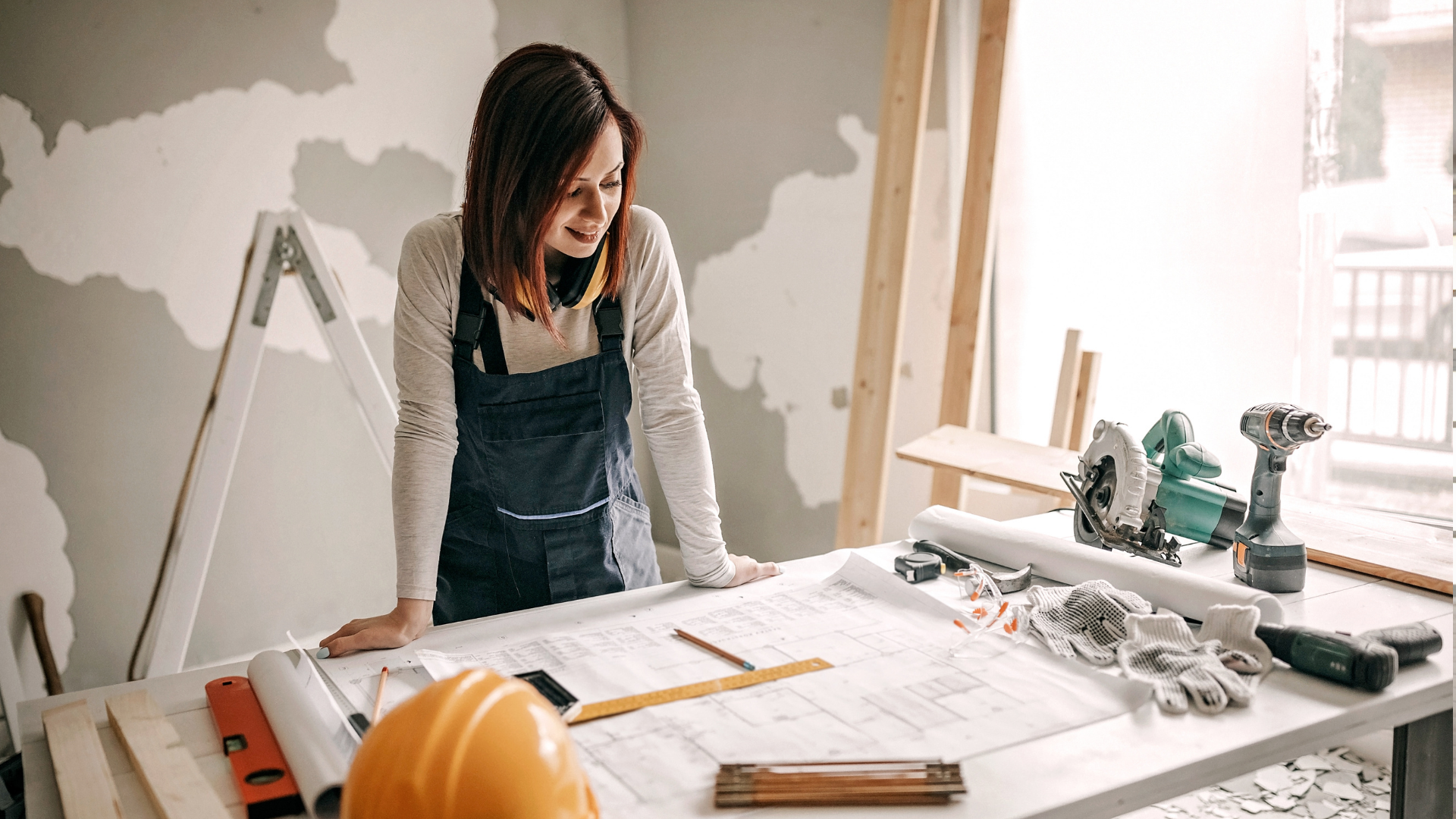
  • Renovate your property.
  • Supplement cashflow.
  • Consolidate higher-interest debt.


Really, you can use the cash for anything you like. It’s tax-free and paid to you directly once the mortgage closes.


Understanding the cost of a cashback mortgage.


Now, while it might appear like a cashback mortgage is a great way to get some free money, it’s not. Banks aren’t altruistic; they’re in the business of making money by lending money. Securing a mortgage that provides you with cash back at closing will cost you a higher interest rate over your mortgage term.


A cashback mortgage is like getting a fixed loan rolled into your mortgage. Your interest rate is increased to cover the additional funds being lent. 


Now, with so many different cashback options available and with interest rates constantly changing, it's nearly impossible to run through specific calculations on a simple article to outline how much more you’d pay over the term. So, if you'd like to identify the true cost of securing a cashback mortgage, the best place to start is to discuss your financial situation with an independent mortgage professional. 


When you work with an independent mortgage professional instead of a single bank, you receive unbiased advice, more financing options, and a clear picture of the cost associated with securing a mortgage.


Getting cashback at closing is a mortgage feature that makes the bank more money at your expense. This isn’t necessarily a bad thing; the key is to be informed of the costs involved so you can make a good decision.


Eligibility for a cashback mortgage.


Simply put, a cashback mortgage isn’t for everyone. This is a mortgage product that has tougher qualifications than standard mortgage financing. Any lender willing to offer a cashback mortgage will want to see that you have stable employment, a fabulous credit score, and healthy debt service ratios. If your mortgage application is in any way “unique,” the chances of qualifying for a cashback mortgage are pretty slim.


Breaking your mortgage term early.


In addition to paying a higher interest rate to cover the cost of receiving the cashback at closing, a cashback mortgage also limits your options down the line.


If your life circumstances change and you need to break your mortgage mid-term, depending on the conditions set out in your mortgage contract, you’ll most likely be required to either pay all of the cashback received or at least a portion, depending on how long you’ve had the mortgage.


As all cashback mortgages are tied to fixed-rate terms, so in addition to repaying the cashback, you’d also be required to pay the interest rate differential penalty; or 3 months interest, whichever is greater for breaking your mortgage term early.


Sufficed to say, should you need to pay out your mortgage early, breaking your cashback mortgage will be costly. Certainly, this is something to consider when assessing the suitability of this mortgage product.


Get independent mortgage advice.


Understanding the intricacies of mortgage financing can be difficult at the best of times. With all the different terms, rates, and mortgage products available, it’s hard to know which mortgage is best for you.


So while a mortgage that offers a cash incentive upon closing might initially seem like an attractive offer, make sure you seek out the guidance of an independent mortgage professional to help you navigate the costs associated with a cashback mortgage. While it might be a great option for you, there might be other mortgage options that better suit your needs. It's worth a conversation for sure!


If you’d like to discuss what a cashback mortgage or any other mortgage product would look like for you, please get in touch. It would be a pleasure to work with you.


CONTACT

Share

RECENT POSTS

By Matthew Chan December 3, 2025
How to Start Saving for a Down Payment (Without Overhauling Your Life) Let’s face it—saving money isn’t always easy. Life is expensive, and setting aside extra cash takes discipline and a clear plan. Whether your goal is to buy your first home or make a move to something new, building up a down payment is one of the biggest financial hurdles. The good news? You don’t have to do it alone—and it might be simpler than you think. Step 1: Know Your Numbers Before you can start saving, you need to know where you stand. That means getting clear on two things: how much money you bring in and how much of it is going out. Figure out your monthly income. Use your net (after-tax) income, not your gross. If you’re self-employed or your income fluctuates, take an average over the last few months. Don’t forget to include occasional income like tax returns, bonuses, or government benefits. Track your spending. Go through your last 2–3 months of bank and credit card statements. List out your regular bills (rent, phone, groceries), then your extras (dining out, subscriptions, impulse buys). You might be surprised where your money’s going. This part isn’t always fun—but it’s empowering. You can’t change what you don’t see. Step 2: Create a Plan That Works for You Once you have the full picture, it’s time to make a plan. The basic formula for saving is simple: Spend less than you earn. Save the difference. But in real life, it’s more about small adjustments than major sacrifices. Cut what doesn’t matter. Cancel unused subscriptions or set a dining-out limit. Automate your savings. Set up a separate “down payment” account and auto-transfer money on payday—even if it’s just $50. Find ways to boost your income. Can you pick up a side job, sell unused stuff, or ask for a raise? Consistency matters more than big chunks. Start small and build momentum. Step 3: Think Bigger Than Just Saving A lot of people assume saving for a down payment is the first—and only—step toward buying a home. But there’s more to it. When you apply for a mortgage, lenders look at: Your income Your debt Your credit score Your down payment That means even while you’re saving, you can (and should) be doing things like: Building your credit score Paying down high-interest debt Gathering documents for pre-approval That’s where we come in. Step 4: Get Advice Early Saving up for a home doesn’t have to be a solo mission. In fact, talking to a mortgage professional early in the process can help you avoid missteps and reach your goal faster. We can: Help you calculate how much you actually need to save Offer tips to strengthen your application while you save Explore alternate down payment options (like gifts or programs for first-time buyers) Build a step-by-step plan to get you mortgage-ready Ready to get serious about buying a home? We’d love to help you build a plan that fits your life—and your goals. Reach out anytime for a no-pressure conversation.
By Matthew Chan November 26, 2025
What Is a Second Mortgage, Really? (It’s Not What Most People Think) If you’ve heard the term “second mortgage” and assumed it refers to the next mortgage you take out after your first one ends, you’re not alone. It’s a common misconception—but the reality is a bit different. A second mortgage isn’t about the order of mortgages over time. It’s actually about the number of loans secured against a single property —at the same time. So, What Exactly Is a Second Mortgage? When you first buy a home, your mortgage is registered on the property in first position . This simply means your lender has the primary legal claim to your property if you ever sell it or default. A second mortgage is another loan that’s added on top of your existing mortgage. It’s registered in second position , meaning the lender only gets paid out after the first mortgage is settled. If you sell your home, any proceeds go toward paying off the first mortgage first, then the second one, and any remaining equity is yours. It’s important to note: You still keep your original mortgage and keep making payments on it —the second mortgage is an entirely separate agreement layered on top. Why Would Anyone Take Out a Second Mortgage? There are a few good reasons homeowners choose this route: You want to tap into your home equity without refinancing your existing mortgage. Your current mortgage has great terms (like a low interest rate), and breaking it would trigger hefty penalties. You need access to funds quickly , and a second mortgage is faster and more flexible than refinancing. One common use? Debt consolidation . If you’re juggling high-interest credit card or personal loan debt, a second mortgage can help reduce your overall interest costs and improve monthly cash flow. Is a Second Mortgage Right for You? A second mortgage can be a smart solution in the right situation—but it’s not always the best move. It depends on your current mortgage terms, your equity, and your financial goals. If you’re curious about how a second mortgage could work for your situation—or if you’re considering your options to improve cash flow or access equity—let’s talk. I’d be happy to walk you through it and help you explore the right path forward. Reach out anytime—we’ll figure it out together.
By Matthew Chan November 19, 2025
Wondering If Now’s the Right Time to Buy a Home? Start With These Questions Instead. Whether you're looking to buy your first home, move into something bigger, downsize, or find that perfect place to retire, it’s normal to feel unsure—especially with all the noise in the news about the economy and the housing market. The truth is, even in the most stable times, predicting the “perfect” time to buy a home is incredibly hard. The market will always have its ups and downs, and the headlines will never give you the full story. So instead of trying to time the market, here’s a different approach: Focus on your personal readiness—because that’s what truly matters. Here are some key questions to reflect on that can help bring clarity: Would owning a home right now put me in a stronger financial position in the long run? Can I comfortably afford a mortgage while maintaining the lifestyle I want? Is my job or income stable enough to support a new home? Do I have enough saved for a down payment, closing costs, and a little buffer? How long do I plan to stay in the property? If I had to sell earlier than planned, would I be financially okay? Will buying a home now support my long-term goals? Am I ready because I want to buy, or because I feel pressure to act quickly? Am I hesitating because of market fears, or do I have legitimate concerns? These are personal questions, not market ones—and that’s the point. The economy might change tomorrow, but your answers today can guide you toward a decision that actually fits your life. Here’s How I Can Help Buying a home doesn’t have to be stressful when you have a plan and someone to guide you through it. If you want to explore your options, talk through your goals, or just get a better sense of what’s possible, I’m here to help. The best place to start? A mortgage pre-approval . It’s free, it doesn’t lock you into anything, and it gives you a clear picture of what you can afford—so you can move forward with confidence, whether that means buying now or waiting. You don’t have to figure this out alone. If you’re curious, let’s talk. Together, we can map out a homebuying plan that works for you.